A Buddhist Temple Rises in the Bay Area
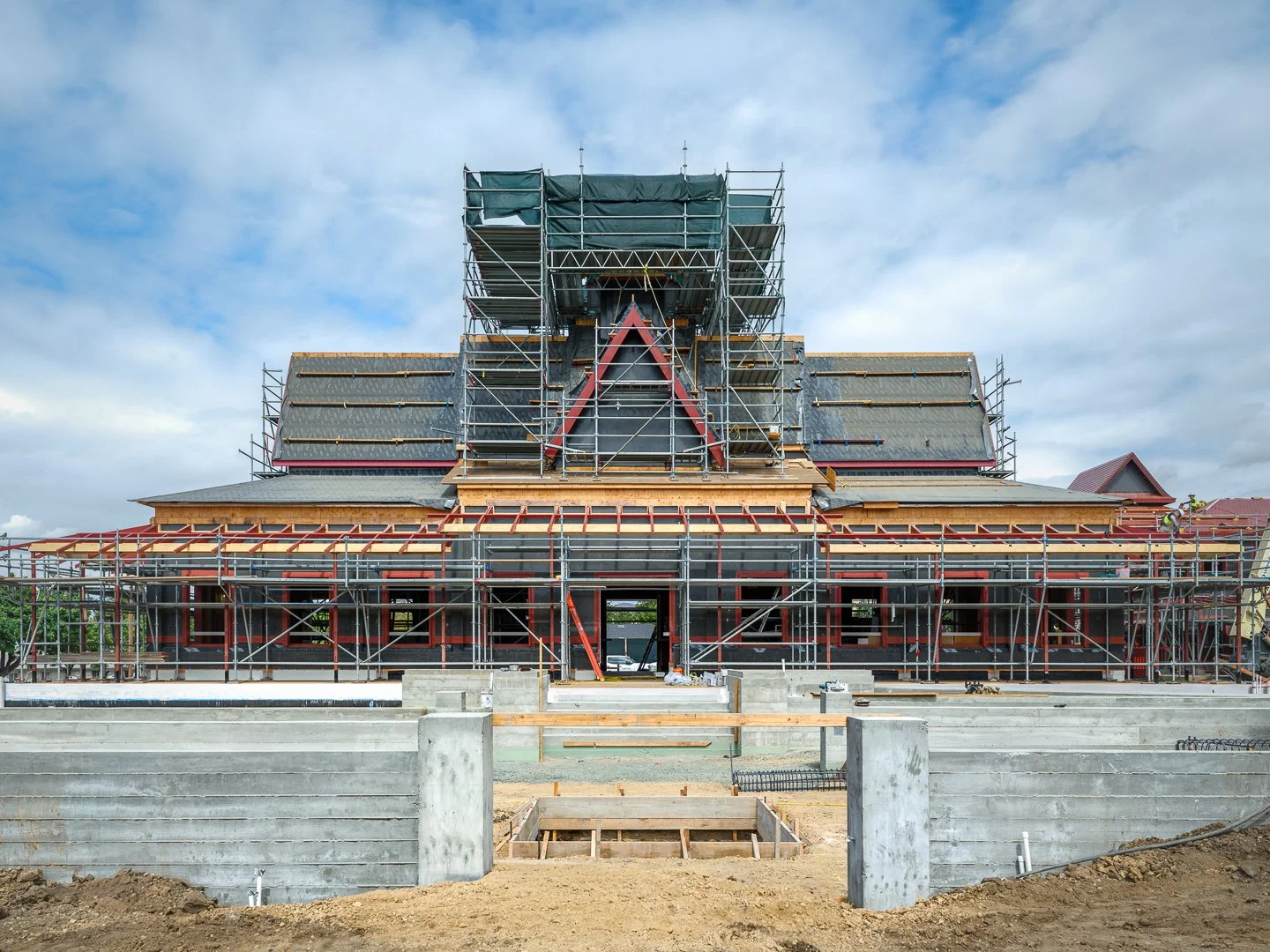
In the heart of San Jose, a new temple is taking shape. Designed for the Khmer Krom community, Wat Khmer Kampuchea Krom is more than a building. It is a space for gathering, learning, and spiritual practice.
For many Khmer Americans, especially those whose families were displaced by war and genocide, a temple is more than a religious site. It is a cultural anchor. A place to reconnect with language, lineage, and one another. This project brings that sense of belonging into the present, grounding it in both heritage and hope.
The vision began with Lyna Lam, who came to the Bay Area as a child after her family fled conflict and hardship in Southeast Asia. Her journey from struggle to service inspires the spirit of this place. Working alongside artisans in Cambodia and a design team in California, her foundation has helped shape a project rooted in care, dialogue, and deep cultural pride.
Led by Andrew Mann Architecture, the design reflects a thoughtful balance of beauty and purpose. With openness, curiosity, and a willingness to learn, the team has brought to light what is meant to be, honoring tradition while creating something enduring.

The Heart of the Work
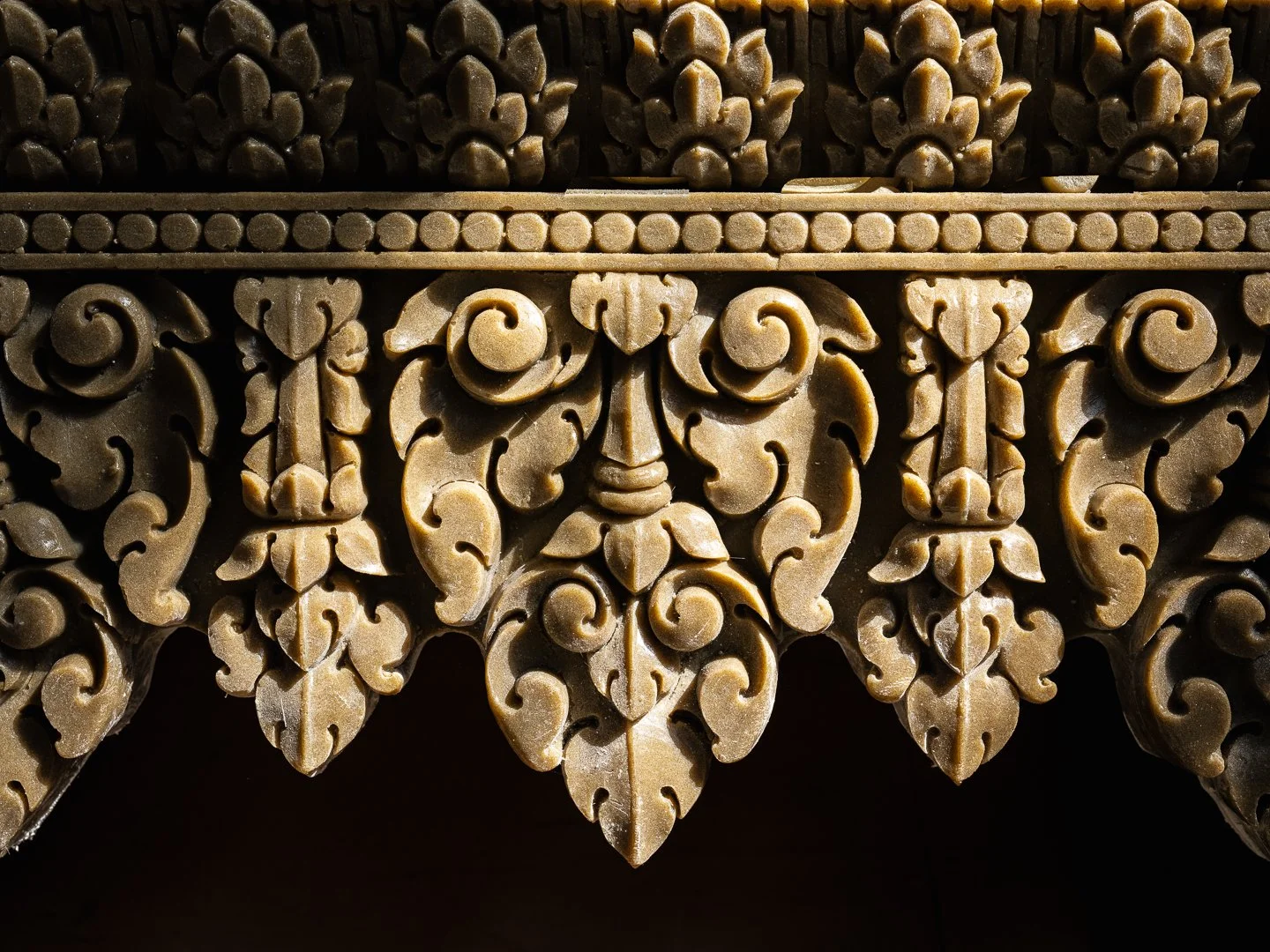
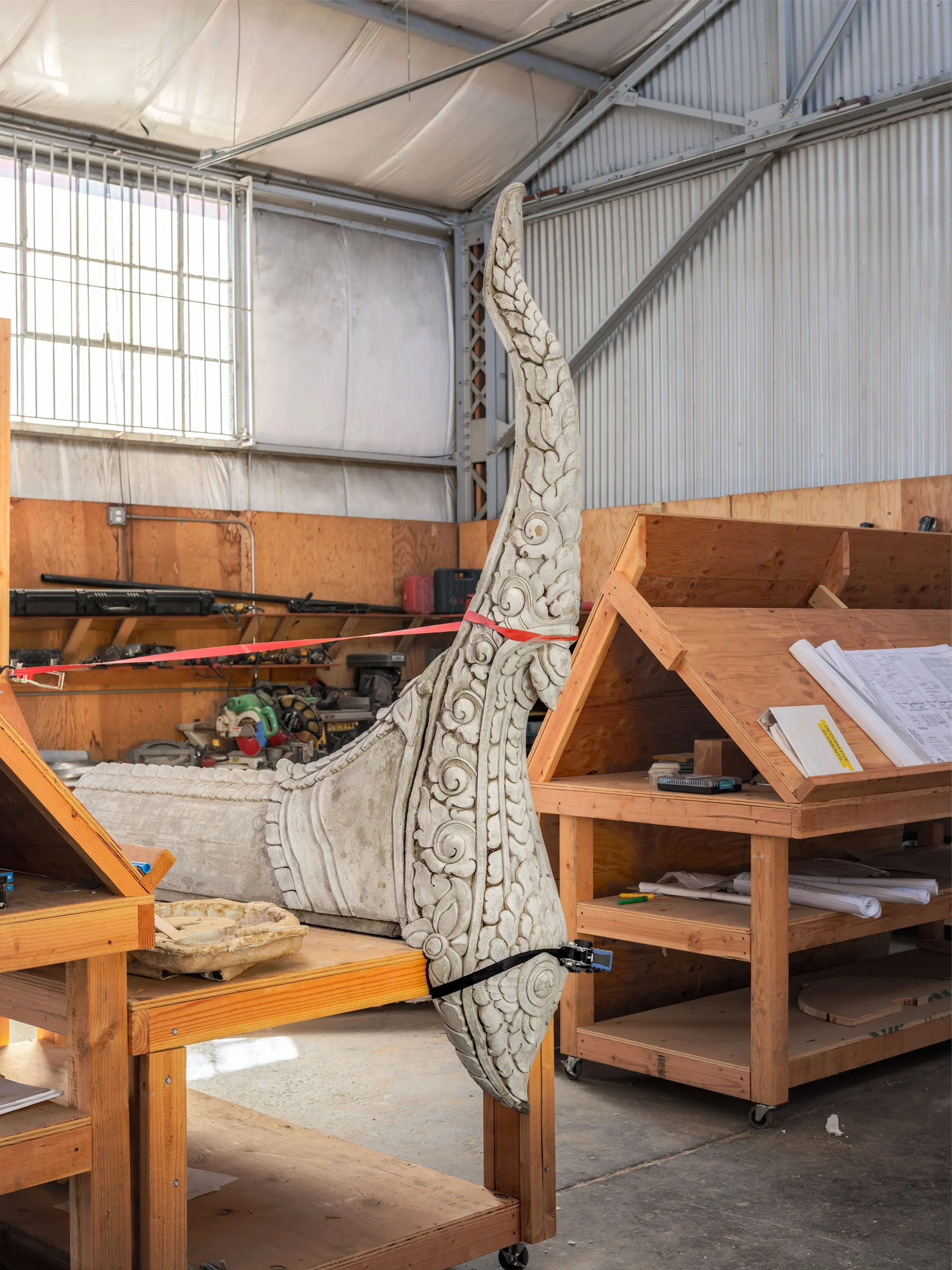
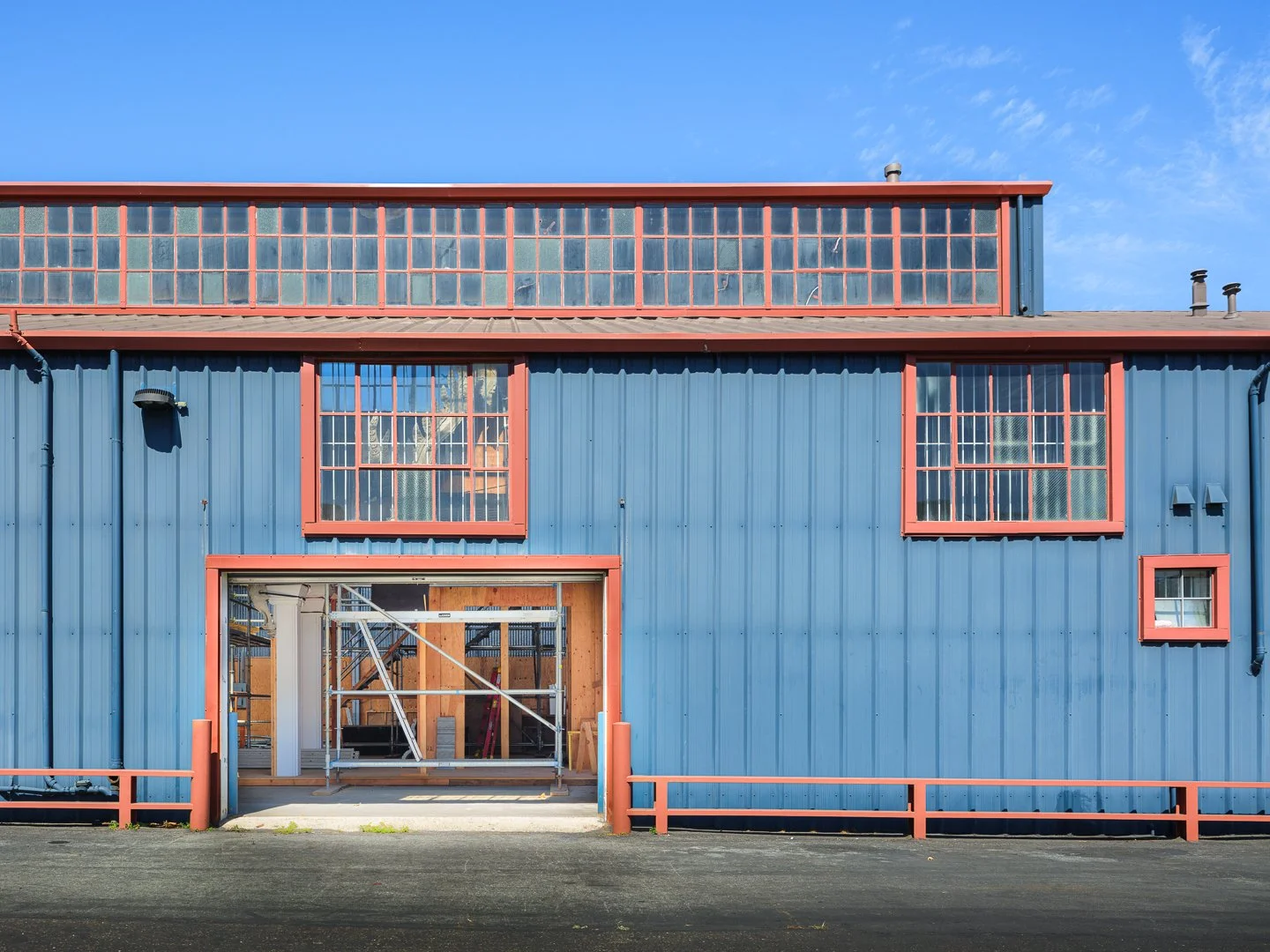
In a warehouse in a San Francisco industrial neighborhood, the temple is taking shape in ways most people will never see. This is where samples of ornamental details carved and cast in Cambodia, are reviewed one by one prior to final fabrication. It’s a laboratory to explore how a unique building comes together.
The process here is not standard. The team is creating new methods to meet the unique needs of the project. Traditional Khmer forms must be reimagined for different materials, climates, and engineering standards. Each step requires care, precision, and a willingness to work differently.
Andrew Mann Architecture has helped lead this effort with humility and focus. Alongside builders, engineers, and artisans, the team has remained open to learning and to change. What happens in the warehouse is a reflection of values. A quiet expression of care in every detail.